
Essential Electrical Services for Safe and Reliable Homes
Electrical systems are one of the most important parts of any modern home. From lighting and power outlets to kitchen appliances, air conditioning, security systems, and smart devices, almost everything we use every day depends on a safe and reliable electrical installation. When electrical work is poorly installed, outdated, or ignored, small problems can quickly become expensive repairs or serious safety risks.
For homeowners, landlords, and property managers, professional electrical services are not only about fixing a broken switch or installing a new light. They cover a wide range of work, including electrical inspections, wiring, lighting installation, socket replacement, circuit repairs, appliance connections, upgrades, and troubleshooting.
Why Professional Electrical Services Matter
Electrical work requires proper knowledge, experience, and attention to safety. Unlike many renovation tasks, electrical problems are not always visible. A loose connection behind a wall, overloaded circuit, damaged cable, or incorrectly installed outlet can remain unnoticed until it causes a major problem.
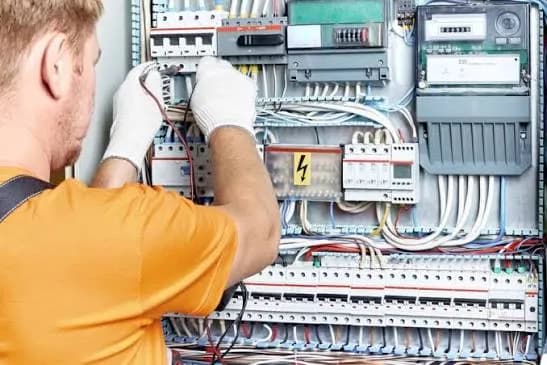
Professional electrical services help identify these issues before they become dangerous. A qualified electrician can inspect the existing system, identify potential faults, recommend suitable solutions, and complete the work according to appropriate safety standards.
For renovation projects, electrical planning is particularly important. Moving a kitchen, adding a bathroom, installing new lighting, or converting a room into a home office can all require changes to the electrical system. Planning electrical work together with the rest of the renovation helps prevent unnecessary rework and additional costs.
Common Electrical Services for Homes
A professional handyman and renovation service can support homeowners with many everyday electrical requirements. Some of the most common services include the following.
1. Electrical Troubleshooting and Repairs
Electrical problems can appear in many different ways. Lights may flicker, outlets may stop working, circuit breakers may trip repeatedly, or certain appliances may cause the power to shut off.
Instead of repeatedly resetting a breaker or replacing components without understanding the cause, professional troubleshooting can identify the underlying problem. The electrician checks connections, circuits, switches, outlets, and other relevant components to determine what is causing the fault.
Common problems that may require troubleshooting include:
- Frequently tripping circuit breakers
- Flickering or dimming lights
- Dead power outlets
- Burning smells from electrical fixtures
- Sparking switches or sockets
- Unusual buzzing sounds
- Power loss in specific rooms
- Damaged or exposed wiring
Early repair can help prevent a small electrical issue from becoming a larger and more expensive problem.
2. Lighting Installation and Upgrades
Lighting can completely change the appearance and functionality of a property. During a renovation, homeowners often replace old fixtures with modern lighting that provides better illumination and improves energy efficiency.
Electrical professionals can install ceiling lights, wall lights, pendant fixtures, recessed lighting, outdoor lighting, and other types of fixtures. They can also help with switches, dimmers, and lighting controls.
For example, a kitchen renovation may benefit from a combination of ceiling lighting and under-cabinet lights. A bathroom may require carefully positioned lighting around mirrors and other areas. Outdoor spaces can benefit from properly installed security and pathway lighting.
Good lighting design is not only about appearance. The location, wiring, switch placement, and electrical load should also be considered during installation.
Electrical Work During Home Renovation
Electrical requirements often change when a property is renovated. Walls may be removed, rooms may be redesigned, and new appliances or fixtures may be introduced. This creates an opportunity to improve the electrical system at the same time.

3. Rewiring and Electrical Upgrades
Older properties may have electrical wiring and components that are no longer suitable for modern requirements. Homes today typically use more electrical devices than they did years ago, including computers, large televisions, air conditioners, washing machines, dryers, kitchen appliances, and charging equipment.
An electrical upgrade can improve the capacity, reliability, and safety of the system. Depending on the condition of the property, the work may involve replacing damaged wiring, upgrading circuits, installing new outlets, improving the electrical panel, or reorganizing parts of the system.
Rewiring is a larger project and should be properly assessed before work begins. A professional inspection can help determine whether a complete rewiring project is necessary or whether specific circuits and components can be upgraded.
4. Power Outlet and Switch Installation
Modern households often need more convenient power outlets than older homes provide. Home offices, entertainment areas, kitchens, bedrooms, and workshops can all require additional outlets.
Professional installation ensures that new outlets and switches are correctly connected and positioned. It also allows the electrician to consider the electrical load and existing circuit capacity before adding new connections.
During renovation work, outlet placement should be planned before walls are closed or finished. This makes the installation easier and helps homeowners avoid extension cords and unnecessary adapters later.
5. Kitchen Electrical Services
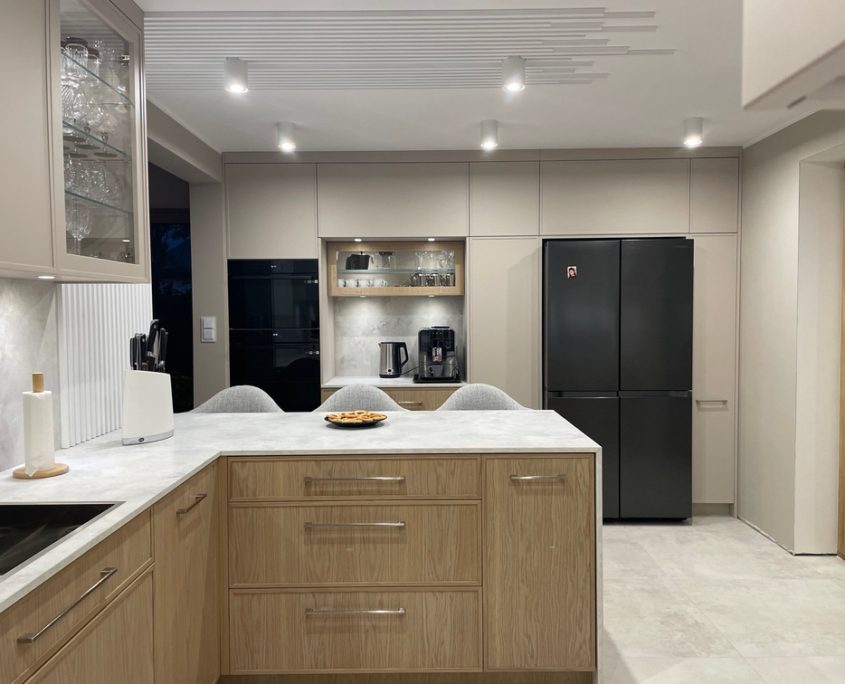
Kitchens contain many electrical appliances, making electrical planning especially important. Refrigerators, ovens, microwaves, dishwashers, range hoods, coffee machines, and other appliances can place significant demands on the electrical system.
When renovating a kitchen, electrical professionals can help with appliance connections, dedicated circuits, new outlets, lighting, switches, and other electrical requirements.
Planning these connections before cabinets and countertops are installed can make the entire renovation process more efficient. It also ensures that outlets and connections are positioned where they are actually needed.
Bathroom and Outdoor Electrical Services
Bathrooms and outdoor areas require additional attention because electrical installations in these locations can be exposed to moisture and changing environmental conditions.
6. Bathroom Electrical Installation
Bathroom renovations may involve new lighting, exhaust fans, heated fixtures, mirrors, outlets, and other electrical equipment. Because water and electricity can create serious safety risks, electrical work in bathrooms should always be handled carefully and according to applicable local requirements.
A professional electrician can determine suitable locations for fixtures and ensure that electrical components are appropriately installed for the environment.
7. Outdoor Electrical Work
Outdoor spaces can benefit from lighting, power outlets, security systems, garden equipment connections, and other electrical installations. However, outdoor electrical equipment can be exposed to rain, humidity, dust, and temperature changes.
Professional outdoor electrical installation helps ensure that suitable equipment, cables, connections, and protective measures are used for the environment.

Electrical Safety Inspections
One of the most useful electrical services is an inspection. Homeowners do not always know when their electrical system has developed a problem, especially when the issue is hidden inside walls or electrical panels.
An inspection can help identify visible signs of damage, overloaded circuits, outdated components, loose connections, and other potential concerns. Regular inspections can be particularly useful for older properties, newly purchased homes, rental properties, and homes undergoing major renovations.
If you notice a burning smell, visible sparks, damaged cables, repeated breaker trips, or unusual heat around an electrical outlet, it is important not to ignore the problem. Professional assessment can help determine whether immediate repair is required.
Electrical Services for Renovation Projects
Electrical work should ideally be included in the renovation plan from the beginning rather than treated as an afterthought. A renovation project may involve changes to walls, ceilings, flooring, kitchens, bathrooms, lighting, and room layouts. Each of these changes can affect electrical requirements.
For example, converting a spare bedroom into a home office may require additional outlets, stronger lighting, network equipment, and dedicated power for computers and other devices. A kitchen renovation may require new circuits and appliance connections. A bathroom upgrade may require new lighting and ventilation.
Working with an experienced renovation and handyman service allows electrical requirements to be coordinated with other construction tasks. This can reduce delays, avoid unnecessary wall openings, and create a cleaner final result.
When Should You Call an Electrician?
Some electrical issues should never be treated as simple DIY repairs. You should consider professional electrical assistance when you experience:
- Repeated circuit breaker trips
- Electrical burning smells
- Sparking outlets or switches
- Damaged electrical cables
- Flickering lights throughout the property
- Warm or discolored outlets
- Electrical problems after renovation work
- A need for additional circuits
- Major lighting or outlet installations
- Electrical work in kitchens, bathrooms, or outdoor areas
If you are unsure about the cause of an electrical problem, it is better to have it professionally assessed rather than experimenting with the wiring yourself.
Choosing the Right Electrical Service Provider
When selecting an electrical service provider, experience and reliability should be important considerations. Ask about the type of work they regularly handle and whether they have experience with renovation projects similar to yours.
A good service provider should communicate clearly about the required work, expected timeline, materials, and costs. For larger projects, it is also useful to understand what work will be completed by the electrician and what work falls under general renovation or handyman services.
Clear communication can prevent misunderstandings and help the project move smoothly from planning to completion.
Final Thoughts
Electrical systems play a critical role in the comfort, convenience, and safety of every modern property. Whether you need a simple lighting installation, additional outlets, electrical troubleshooting, rewiring, or electrical work as part of a larger renovation, professional service can make a significant difference.
The best time to address electrical problems is before they become emergencies. Regular inspections, proper maintenance, and professional installation can help keep your home's electrical system dependable for years to come.
If you are planning a renovation or experiencing electrical problems in your property, consider working with an experienced renovation and handyman service that can coordinate electrical work with the rest of your project. A properly planned electrical system not only supports your everyday needs but also adds long-term value, convenience, and peace of mind to your home.