Disposal and Dismantling Services: Efficient Property Clearance for Renovation
Disposal and Dismantling Services: Efficient Property Clearance for Renovation
Renovation projects often begin with the removal of old furniture, fixtures, fittings, structures, equipment, and unwanted materials. Before new construction or interior finishing can begin, the existing space may need to be cleared and prepared.
Professional disposal and dismantling services provide an organised way to remove unwanted items while keeping the renovation site manageable. From dismantling old fixtures to clearing renovation debris, proper planning can make the transition between the old space and the new design much smoother.
What Is Dismantling?
Dismantling involves carefully taking apart existing structures, fixtures, fittings, furniture, or equipment so that they can be removed from the property.
Depending on the project, dismantling may include items such as cabinets, shelving, partitions, furniture, ceiling components, sanitary fittings, old fixtures, or other removable structures.
The objective is not simply to remove everything as quickly as possible. Items that need to be retained, reused, or protected should be identified before dismantling begins.
Why Professional Dismantling Is Useful
Some items can be removed easily, while others may be connected to walls, floors, ceilings, plumbing, electrical systems, or other building components. Removing them without proper planning can result in unnecessary damage.
Professional dismantling provides a controlled process. The work can be organised according to the renovation schedule, with attention given to surrounding surfaces and existing services.
This is particularly valuable when only part of a property is being renovated and other areas need to remain operational.
Disposal During Renovation
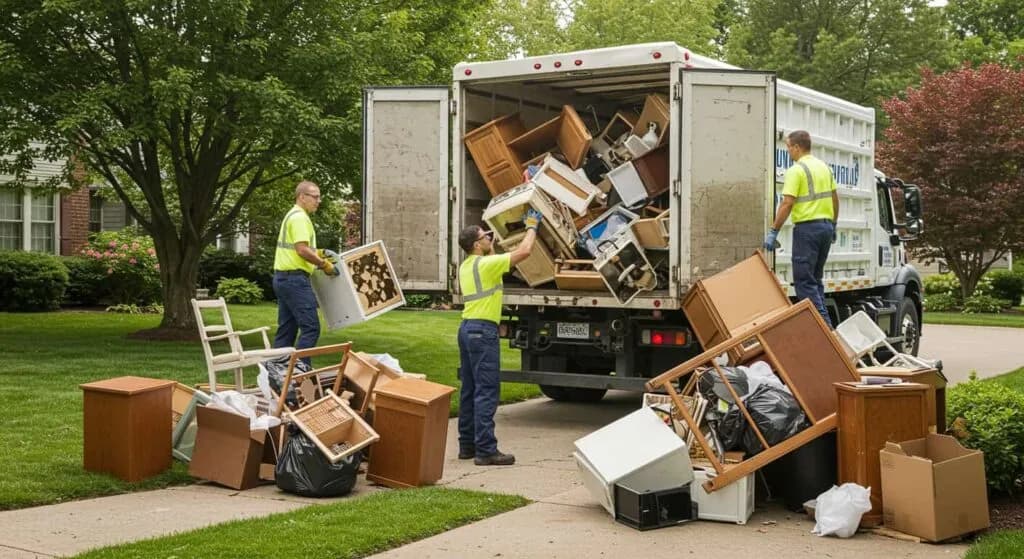
Renovation produces different types of waste, including broken materials, old fixtures, packaging, damaged components, and unwanted items. If waste is not managed properly, it can quickly occupy valuable working space.
A planned disposal process helps keep the renovation site cleaner and more organised. Removing accumulated materials regularly can also make it easier for contractors to access the areas where they need to work.
Proper disposal planning is therefore an important part of efficient renovation management.
Residential Disposal and Dismantling
Home renovations frequently involve clearing old furniture, cabinets, fittings, fixtures, and other unwanted items. When homeowners are preparing for a renovation, professional dismantling and disposal can reduce the amount of physical work they need to handle themselves.
For larger renovation projects, clearing the property before construction begins can also provide contractors with better access to the work areas.
A systematic approach helps separate items that should be kept from those that should be removed.
Commercial Property Clearance
Commercial properties can contain large amounts of furniture, equipment, shelving, partitions, and fixtures. When an office, shop, restaurant, or other commercial space is being renovated, clearing the existing interior may be a significant task.
Professional dismantling and disposal services can help businesses prepare the site for refurbishment while reducing disruption.
The work can be coordinated with the renovation schedule so that clearance is completed before new installations begin.
Safe and Controlled Removal
Dismantling requires attention to the condition and construction of the items being removed. Large or heavy components should be handled carefully to reduce the risk of damage to surrounding areas and property.
Access routes should also be considered when removing materials from a building. Planning the movement of items can help prevent unnecessary obstruction and improve site efficiency.
Where dismantling involves components connected to building services, appropriate professionals should be involved to ensure those services are dealt with correctly.
Combining Dismantling with Renovation Services
Disposal and dismantling often work alongside demolition, hacking, painting, plumbing, ceiling, and partition services. Coordinating these activities can make the entire renovation process more efficient.
For example, old fixtures may be dismantled before wall or floor hacking begins. Once demolition and dismantling are complete, waste can be removed and the site can be prepared for new installations.
Having these activities properly coordinated helps minimise repeated handling and unnecessary delays.
Why Proper Waste Management Matters
A renovation site can become difficult to manage when waste is left for too long. Debris can obstruct access, occupy working space, and create additional risks.
Regular disposal keeps the site more organised and allows contractors to work more effectively. It also helps property owners maintain better visibility of the actual progress of the renovation.
Responsible disposal practices should always follow applicable local requirements and regulations.
Preparing for a New Beginning
One of the most important benefits of dismantling and disposal is that they create a clean starting point for renovation. Once unwanted materials and structures have been removed, contractors can inspect the underlying surfaces and prepare them for the next phase.
This can reveal issues that were previously hidden, allowing necessary repairs or modifications to be planned before new finishes are installed.
Final Thoughts
Disposal and dismantling are essential components of many renovation and refurbishment projects. They help clear unwanted items, prepare work areas, improve site organisation, and create a better foundation for new installations.
Whether you are clearing a residential property, preparing an office for refurbishment, or renovating a commercial space, professional dismantling and disposal services can save time and reduce the physical burden of site clearance.
With careful planning, controlled dismantling, efficient removal, and responsible disposal, the first stage of renovation can be completed more smoothly and efficiently, allowing the next stage of your property transformation to begin.